2026 IS DEDICATED TO A MUSICAL GENIUS: SALZBURG CELEBRATES THE 270TH BIRTHDAY OF WOLFGANG AMADEUS MOZART
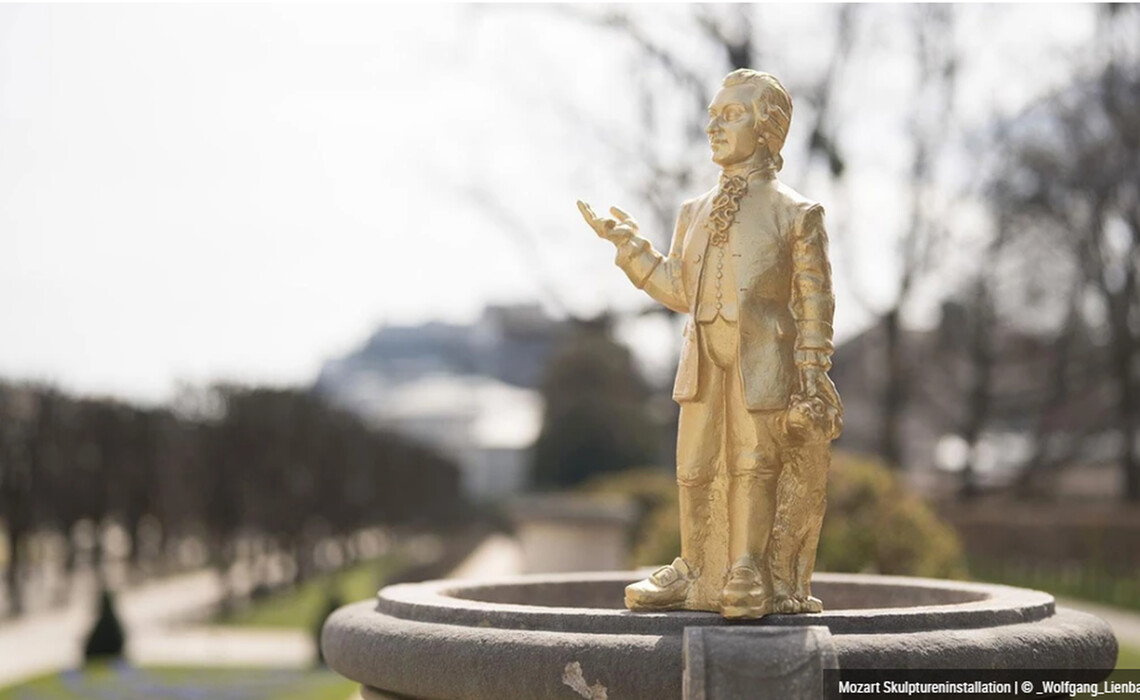
In 2026, Salzburg celebrates the 270th anniversary of the birth of Wolfgang Amadeus Mozart with an extraordinary year-long programme of events. Concerts, special exhibitions, guided city tours and a wide variety of cultural events invite visitors to rediscover Mozart and his remarkable legacy. Throughout the anniversary year, the city offers countless opportunities to experience Mozart’s world, placing the man, the composer and his enduring influence at centre stage.
DID MOZART EVER VISIT GROSSGMAIN?
Historical sources provide no evidence that Wolfgang Amadeus Mozart ever visited Grossgmain. However, the Mozart anniversary is the perfect opportunity to explore the region surrounding Salzburg, where visitors can experience the world in which Mozart lived from a unique perspective.
Grossgmain offers fascinating connections to the 18th century and invites visitors to discover the Salzburg of Mozart's era beyond the city itself.
AN ORGAN THAT ALREADY RESONATED IN MOZART'S TIME
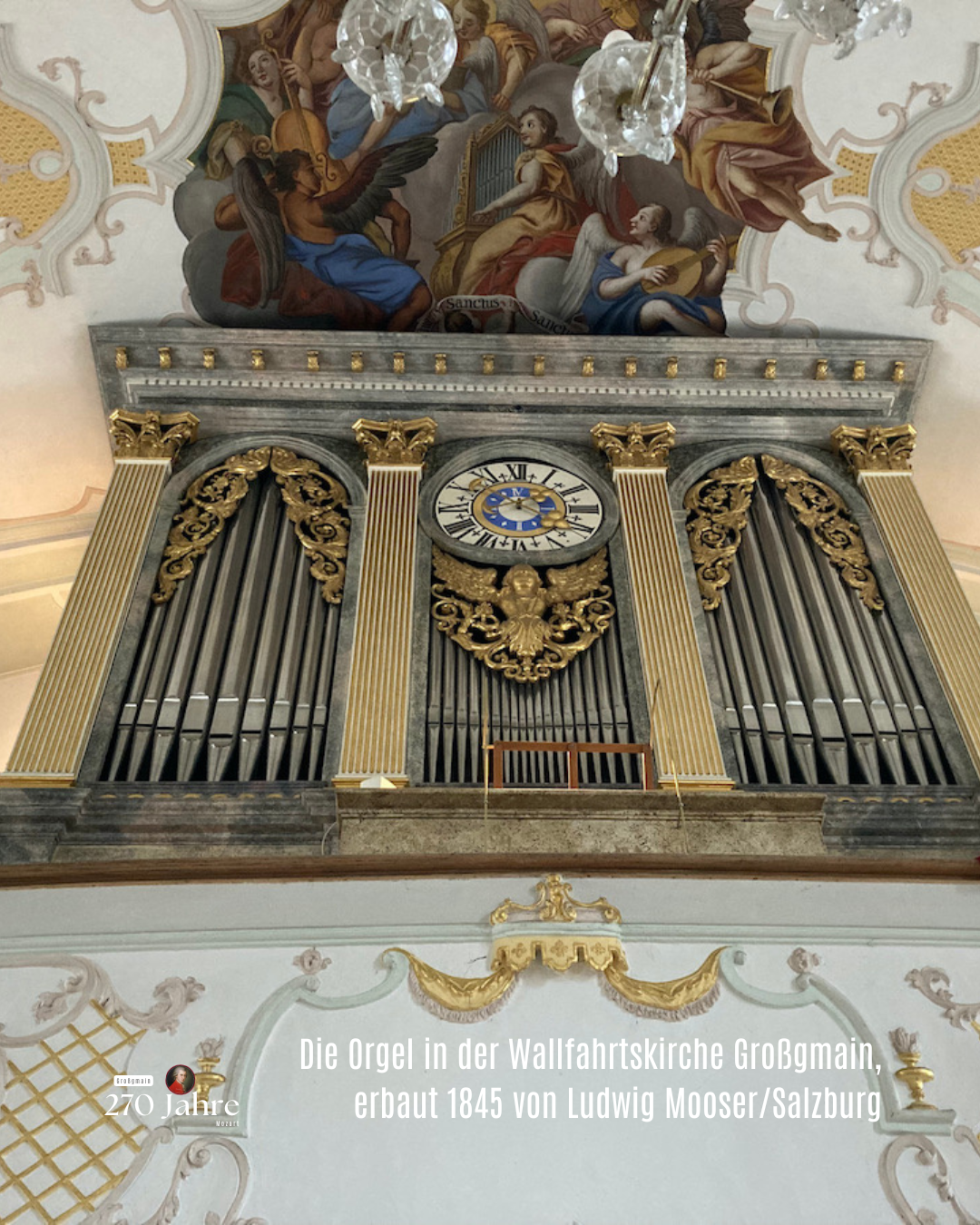
Visitors to the Parish and Pilgrimage Church of Grossgmain encounter an instrument whose history stretches back centuries. An organ already stood here in the 17th century, meaning that a predecessor of today's instrument was played during Mozart's lifetime. Although the current organ was built in 1845 by Salzburg organ builder Ludwig Mooser, it continues a long-standing musical tradition.
Mozart was not only one of history's greatest composers but also an outstanding organist. In Salzburg, he regularly performed on the organ, particularly in Salzburg Cathedral. Although he composed relatively few works specifically for the instrument, the distinctive sound of the organ is an essential part of his sacred music. His legendary improvisations were already admired during his lifetime, yet unfortunately they were never written down and have been lost.
Listening to the organ in Grossgmain today, it is easy to imagine the music that people may have heard some 270 years ago.
BUILDINGS FROM MOZART'S LIFETIME AT THE SALZBURG OPEN-AIR MUSEUM
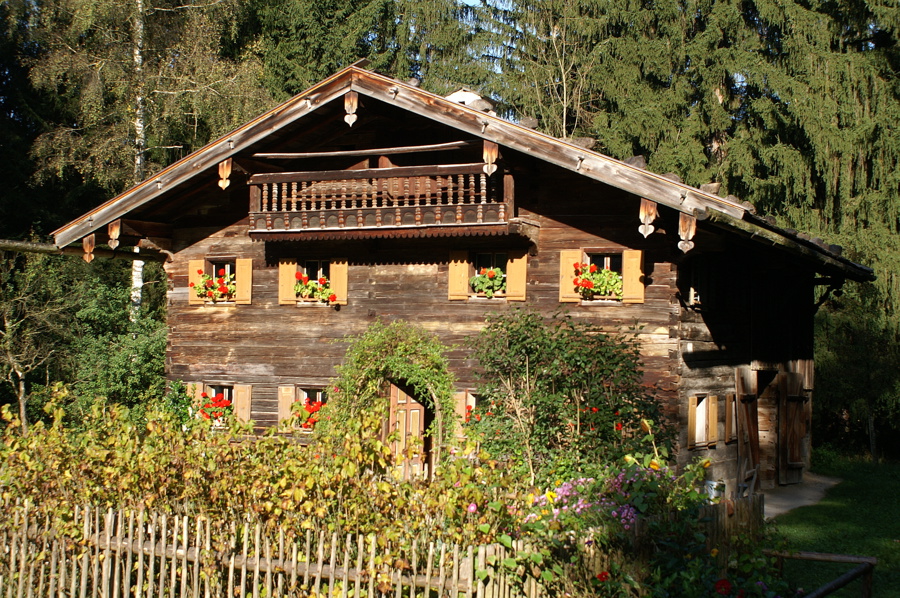
Just a few minutes from Grossgmain lies the Salzburg Open-Air Museum, home to numerous original farmhouses, agricultural buildings and traditional workshops that already existed during Mozart's lifetime.
A walk through the museum offers a vivid glimpse into the everyday world known to Mozart and his contemporaries. The historic buildings illustrate how people in the 18th century lived, worked and built their homes, providing a fascinating contrast to the elegant musical and courtly life of Salzburg.
Especially during the Mozart anniversary year, this insight into rural Salzburg becomes particularly meaningful. While Mozart was performing in concert halls and churches, everyday life for most people unfolded in farmhouses much like these.
SPECIAL GUIDED TOURS: MOZART AND HIS ERA
Sunday, 26 July & Sunday, 16 August – 11:00 a.m.
To mark the Mozart anniversary year, the Salzburg Open-Air Museum offers two special themed guided tours. Visitors will discover what everyday life in the countryside was like during Mozart's lifetime, what music people listened to, which traditional crafts shaped daily life, and how rural life differed from that in the city.
These guided tours complement Salzburg's official anniversary programme with a fascinating perspective, showing that Mozart's era can be experienced far beyond the city's boundaries.
While Wolfgang Amadeus – or Amadé, as he usually signed his name – Mozart captivated the aristocratic and bourgeois elites of Europe's cities with his extraordinary talent and rose to fame, the everyday lives of most people in the Prince-Archbishopric of Salzburg were very different.
Throughout the 18th century, both urban and rural populations lived under challenging conditions marked by limited resources, poor hygiene, hard physical labour, feudal obligations, high child mortality and many other hardships.
Beginning with the question of what life in the countryside was really like during Mozart's lifetime, this special tour first explores what the Prince-Archbishopric of Salzburg actually was and how its social order shaped everyday life.
A guided walk through several historic buildings in the museum's permanent exhibition illustrates traditional architecture and historical living environments while also addressing fascinating aspects of 18th-century social history. Visitors learn how people dressed in town and country, how homes were furnished, heated and illuminated, what expectations shaped the lives of women and men, and how social class influenced everyday opportunities.
Using the extensive travels of the Mozart family as an example, the tour also explores mobility in the 18th century—from journeymen craftsmen to domestic servants. Visitors discover what it cost to travel across Europe for concert tours, how Mozart's earnings compared with those of ordinary workers, what forms of entertainment were popular at the time, and even why powdered wigs became such a fashionable phenomenon.
SALZBURG CELEBRATES – GROSSGMAIN COMPLETES THE EXPERIENCE
The official anniversary programme includes the Mozart Week 2026, special exhibitions at Mozart's Residence, concerts at the DomQuartier, performances by the Salzburg Marionette Theatre, and numerous guided city tours following in Mozart's footsteps.
Throughout the anniversary year, Salzburg presents itself as a vibrant Mozart city, welcoming visitors from around the world to discover the composer at the authentic places where he lived and worked.
Those who combine their visit to Salzburg with an excursion to Grossgmain will discover another authentic side of the 18th century: historic rural architecture, centuries-old church music traditions and the countryside as Mozart himself may have known it.
OUR RECOMMENDATION
Combine your visit to the Mozart City of Salzburg with an excursion to Grossgmain. Listen to the sounds of its historic church, explore the original farmhouses of the Salzburg Open-Air Museum, and discover how history, music and culture continue to come alive beyond the city limits.
Although Mozart most likely never visited Grossgmain, the spirit of his era can still be experienced here in a truly special way.